

If your earlobes are thin, small, thick, or stretched very wide, you may be wondering, is auroplasty suitable for you? In most cases, yes. Auroplasty is the repair of a torn, split, or stretched earlobe, and it can be assessed for many different lobe types. The final answer comes from a short check by a specialist. This guide explains how each lobe type is considered, what to expect, and how a minimally invasive repair works.
What Is Auroplasty, and Who Is It For?
Auroplasty is a repair that restores a damaged earlobe to a smooth, natural shape. It is designed for people with a split, torn, or stretched piercing hole who want to wear earrings comfortably again.
At Earhole, this is a minimally invasive procedure with no stitches required. We close the lobe and make a new piercing on the same day, so you do not wait weeks for jewellery.
Is Auroplasty Suitable for Every Ear Lobe Type?
Earlobes come in many shapes and sizes. Some are long and soft, others are small and firm, and many change with age and years of wearing earrings.
Because of this, suitability is never decided from a photo alone. A specialist looks at the thickness, size, and condition of your lobe, then confirms whether repair is the right step. This quick check is the most reliable way to know where you stand.
Is Auroplasty Suitable for Thin Ear Lobes?
Thin lobes are very common, especially after years of heavy earrings. The tissue becomes soft and slim, and it can feel weak near the hole.
A thin lobe can often be repaired, but it needs a little extra care during healing. The new piercing is placed carefully so it sits in the strongest part of the lobe.
If you have a thin lobe, these habits help:
- Keep the surgical stud in for the full 6 to 8 weeks
- Choose lightweight earrings once you switch to regular jewellery
- Avoid pulling or catching the lobe on hair and clothing
- Take breaks from heavy earrings so the tissue is not strained again
Is Auroplasty Suitable for Thick Ear Lobes?
Thick, fleshy lobes usually have plenty of tissue to work with. This often gives the specialist more flexibility when placing the new piercing.
Thick lobes can still stretch or tear, especially under heavy jewellery. They are not immune to damage, so repair is just as relevant.
For thick lobes, the aftercare is the same. Keep the area clean, protect it from pressure, and do not rush back to heavy earrings.
Is Auroplasty Suitable for Small Ear Lobes?
Small lobes have less space, so placement matters more. The goal is to position the new piercing where it holds well and still looks balanced next to your other ear.
Small lobes can also be repaired, and a careful check helps decide the best position. In some cases, the specialist may suggest a slightly different placement to keep the lobe strong.
Lightweight earrings suit small lobes best, even after full healing. Smaller, lighter styles put less strain on limited tissue.
Is Auroplasty Suitable for Heavily Stretched Ear Lobes?
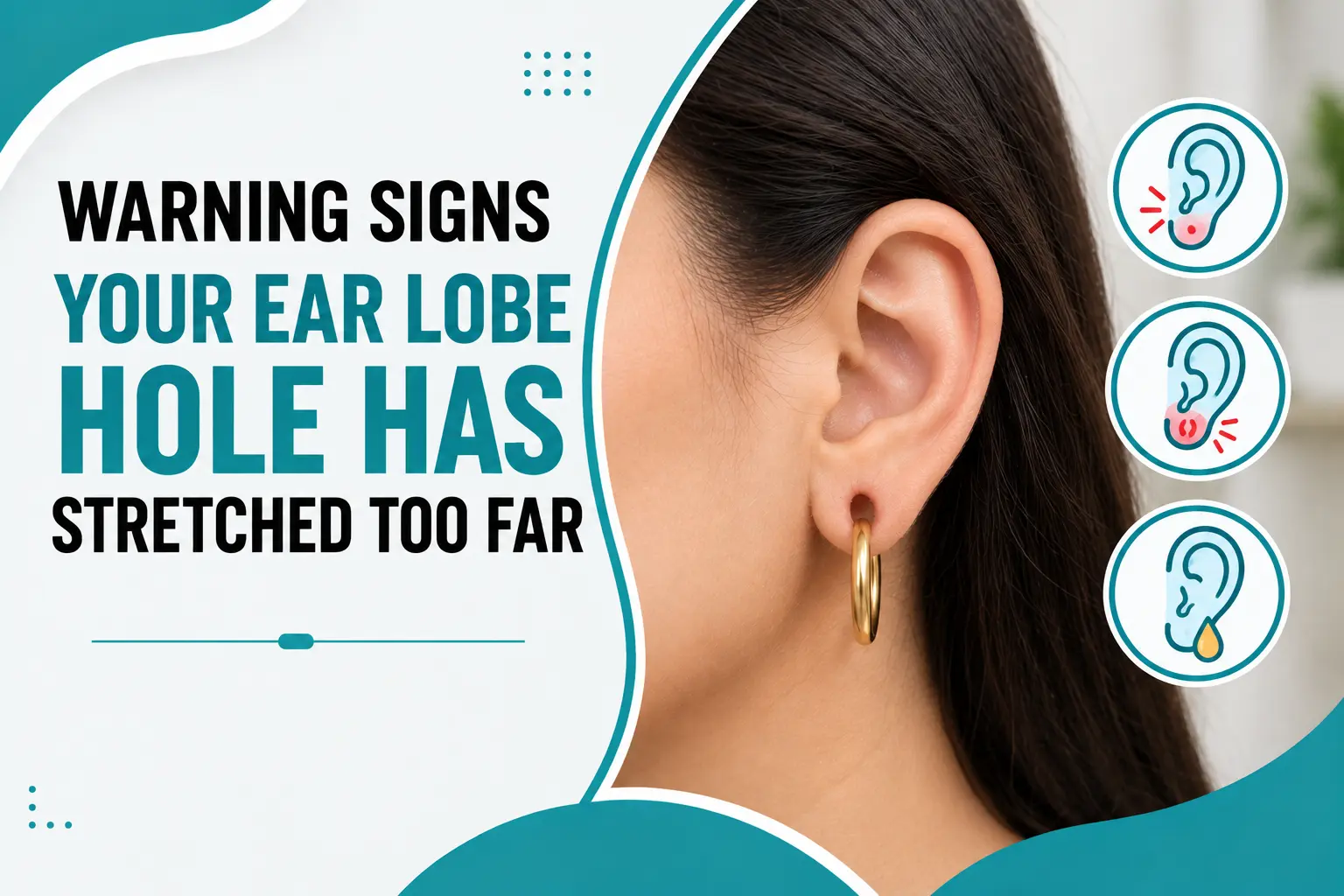
This is the most common worry. If your hole has stretched very wide, you may fear it is too late. In many cases, it is not.
Heavily stretched lobes are often repairable, and repair is the most reliable way to restore shape. A stretched hole rarely shrinks back on its own, even if you stop wearing earrings.
The earlier you act, the simpler the repair tends to be. A moderately stretched hole is easier to correct than a fully split lobe. If you are unsure how far the damage has gone, a quick consultation will tell you.
Lobe Type Quick Guide
Use this table as a simple overview. It is general guidance, and your specialist will confirm what suits you.
| Lobe Type | What to Know | Helpful Habit |
| Thin | Often repairable, needs extra care while healing | Use lightweight earrings |
| Thick | Usually has good tissue to work with | Still avoid heavy, long wear |
| Small | Placement is key for strength and balance | Choose small, light styles |
| Heavily stretched | Often repairable, earlier is simpler | Avoid further strain |
| Split or torn | Repair closes the lobe and restores shape | Do not wait for it to grow |
How a Specialist Checks Whether Repair Suits You
A consultation is short and relaxed. Here is what usually happens.
- A quick conversation. You explain what happened and how long the problem has been there.
- A close look at your lobe. The specialist checks size, thickness, and the condition of the skin around the hole.
- A discussion of your goals. You share the earring styles you love and any timing needs.
- A clear plan. If repair is suitable, the specialist explains each step before anything begins.
What Happens During a Minimum Invasive Ear Lobe Repair
A minimum invasive ear lobe repair is much simpler than most people expect.
- The damaged lobe is closed carefully to restore its natural shape
- We close the lobe and make a new piercing on the same day
- A surgical stud is fitted straight after the procedure
- You receive clear aftercare instructions to follow at home
Aftercare: Protecting Your Results
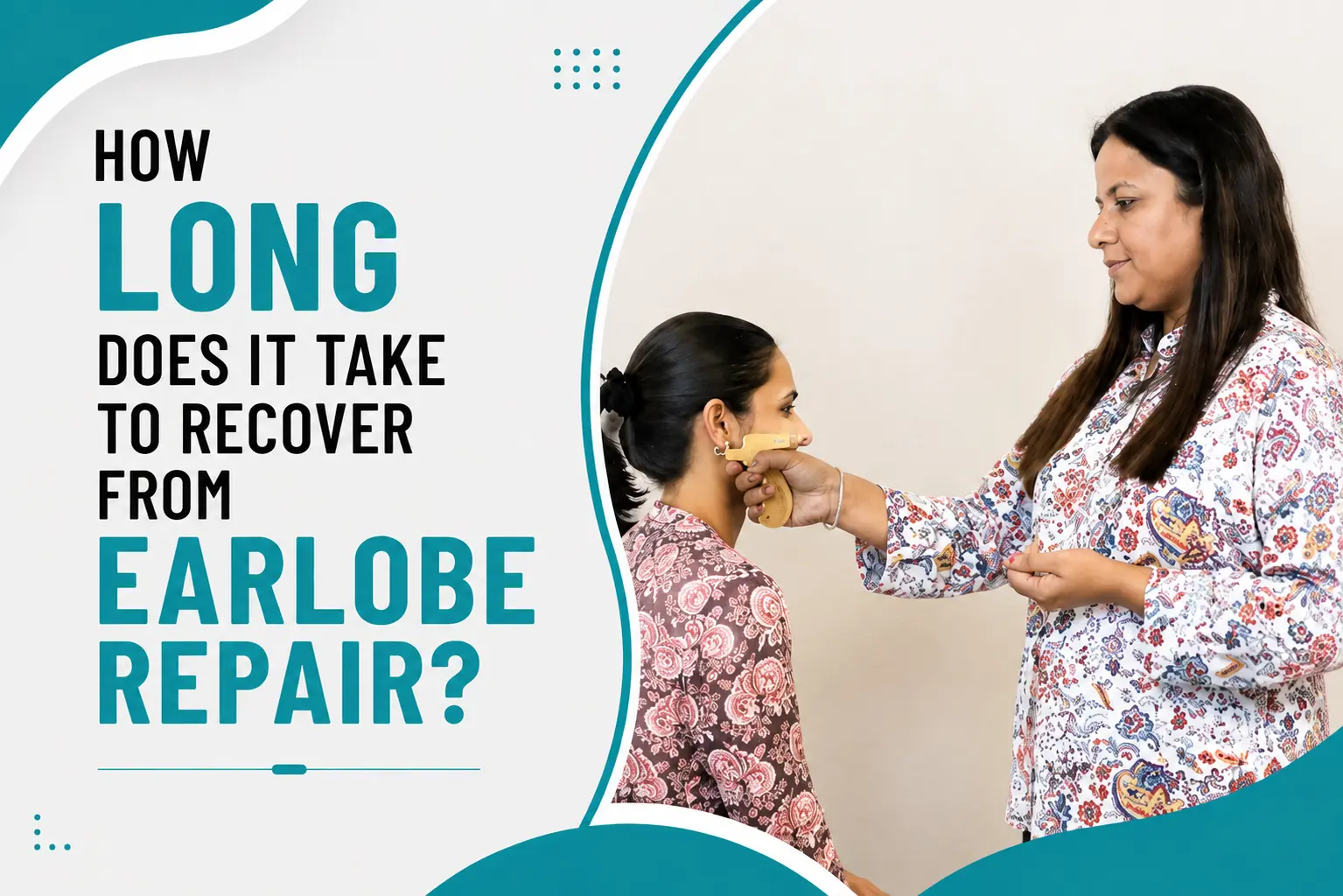
The surface of the lobe can look settled within one to two weeks, but the deeper tissue needs longer to rebuild strength.
- Keep the surgical stud in for 6 to 8 weeks, and do not change it early
- Keep the area clean and dry, especially in the first two weeks
- Avoid sleeping on the treated ear for the first 2 to 3 days
- Avoid pulling hair, scarves, or masks across the lobe
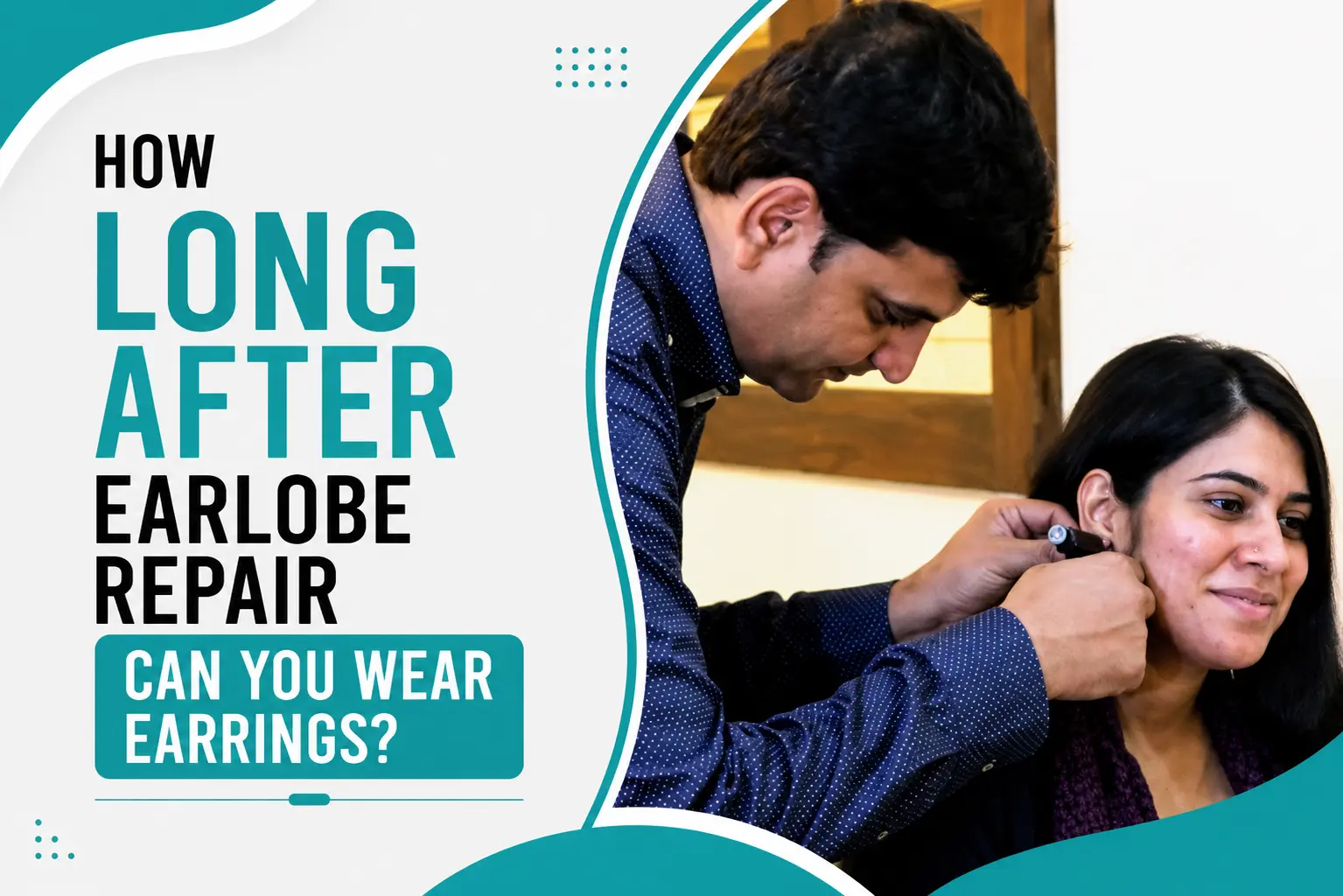
- After 6 to 8 weeks, once the lobe has healed, switch to regular earrings gradually, starting with lightweight styles
Split, Torn, or Stretched: Matching Your Concern to the Right Repair
You do not need to diagnose your own lobe. Here is how common concerns are usually described.
Split earlobe is for a lobe where an earring has pulled through, leaving a clean opening.
Torn earlobe is for larger, rougher, or older tears that may need a little more care as they heal.
Stretched earlobe is for holes that have widened over time from heavy earrings.
Whichever applies to you, a specialist will explain it in plain language during your visit.
Choosing a Clinic for Ear Hole Repair Mumbai
When you search for ear hole repair Mumbai services, look for a provider that puts hygiene and clear communication first.
- Sterile, single-use tools and visible cleaning practices
- Hypoallergenic jewellery suitable for sensitive skin
- A calm, unhurried consultation
- Written aftercare instructions
- A specialist who answers your questions openly
Frequently Asked Questions
1. Can thin earlobes be repaired?
Yes, in many cases. Thin lobes often need a little extra care during healing, so the new piercing is placed carefully and the surgical stud stays in for 6 to 8 weeks. A specialist will confirm suitability after checking your lobe.
2. Can a split / broken earlobe be repaired?
Yes, a split or broken earlobe can easily be repaired through a quick, minimally invasive procedure that restores its natural shape.
3. How do I know if auroplasty is right for my ear lobes?
The most reliable way is a short consultation. A specialist checks the size, thickness, and condition of your lobe, listens to your goals, and explains whether repair suits you and what to expect.
Final Thoughts and Next Steps
So, is auroplasty suitable for thin, thick, small, or heavily stretched lobes? In many cases, yes. Each lobe type simply needs the right placement and the right aftercare, and a short check will confirm the best plan for you.
Do not let the shape or size of your lobes stop you from asking. Book a consultation with Earhole Repair today for a safe, hygienic, minimally invasive repair with no stitches required, a same-day new piercing, and clear aftercare guidance from start to finish.