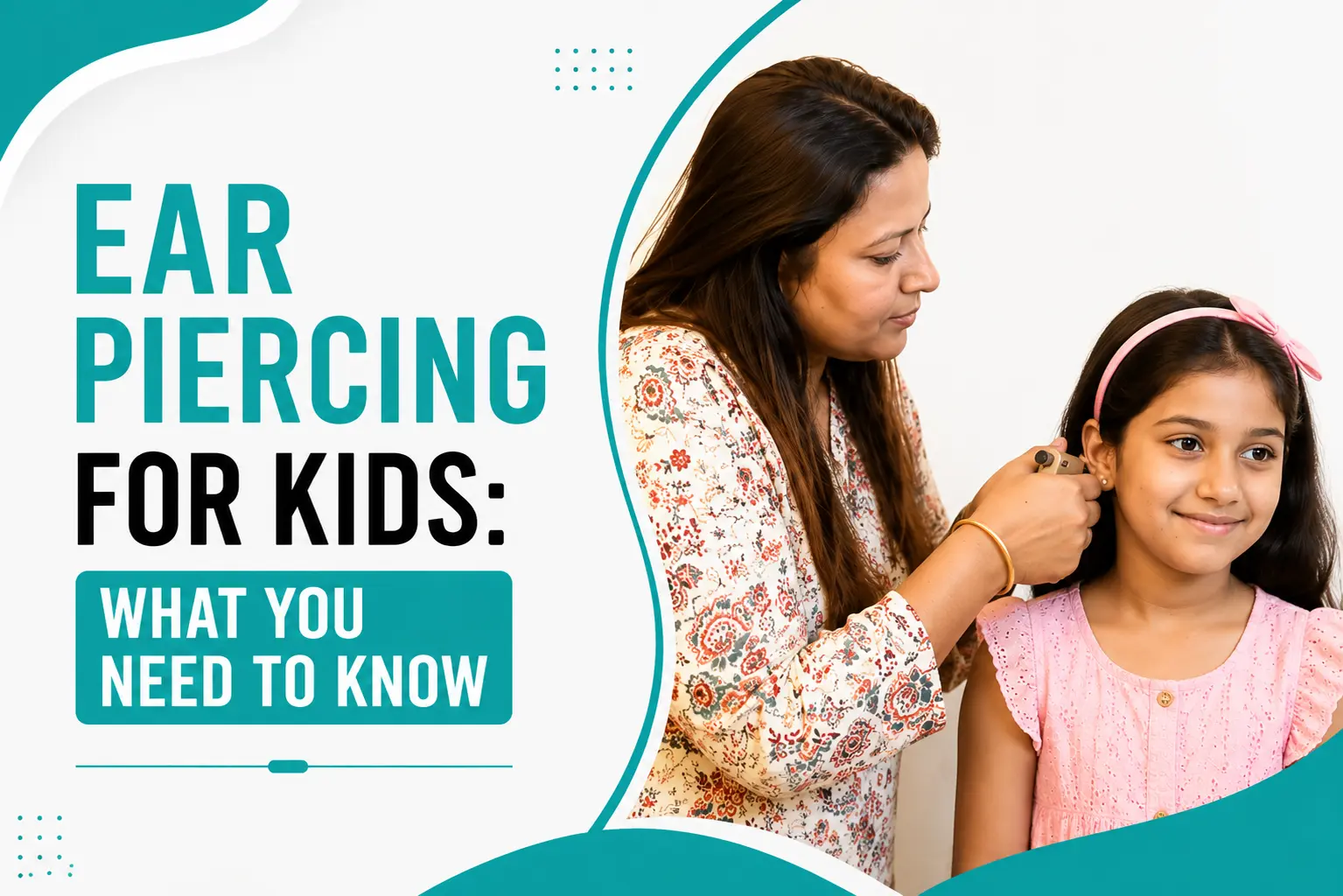

Many parents ask the same question before booking an appointment: can babies get their ears pierced, and what about earlobe repair? The short answer is that ear piercing is suitable for babies from around 3 months of age, while earlobe repair is a separate treatment meant for older children, typically from around 5 to 6 years and above. This guide explains the right age for each, the safety points, and the aftercare that keeps your little one comfortable.
Can Babies Get Their Ears Repaired or Pierced? The Simple Answer
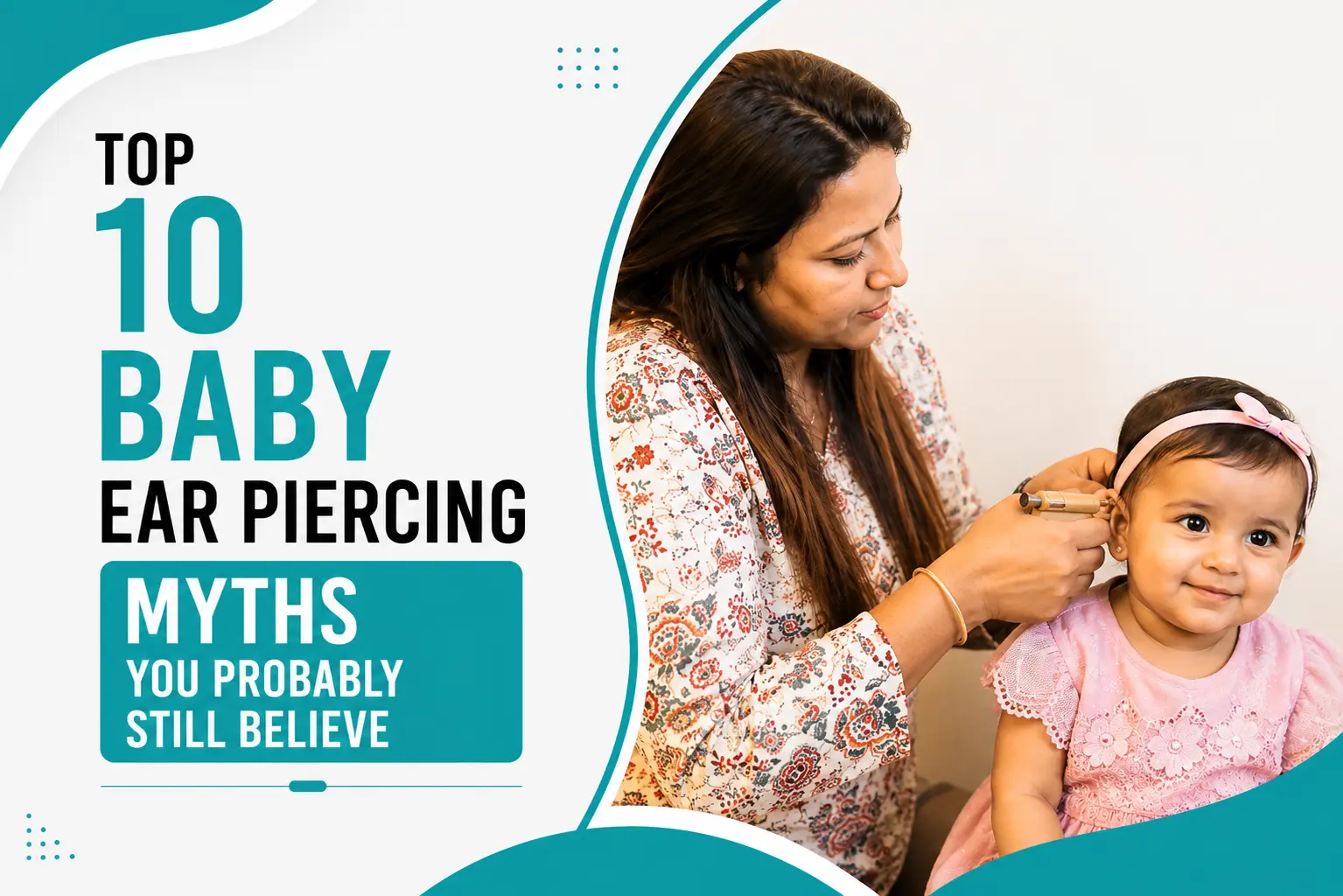
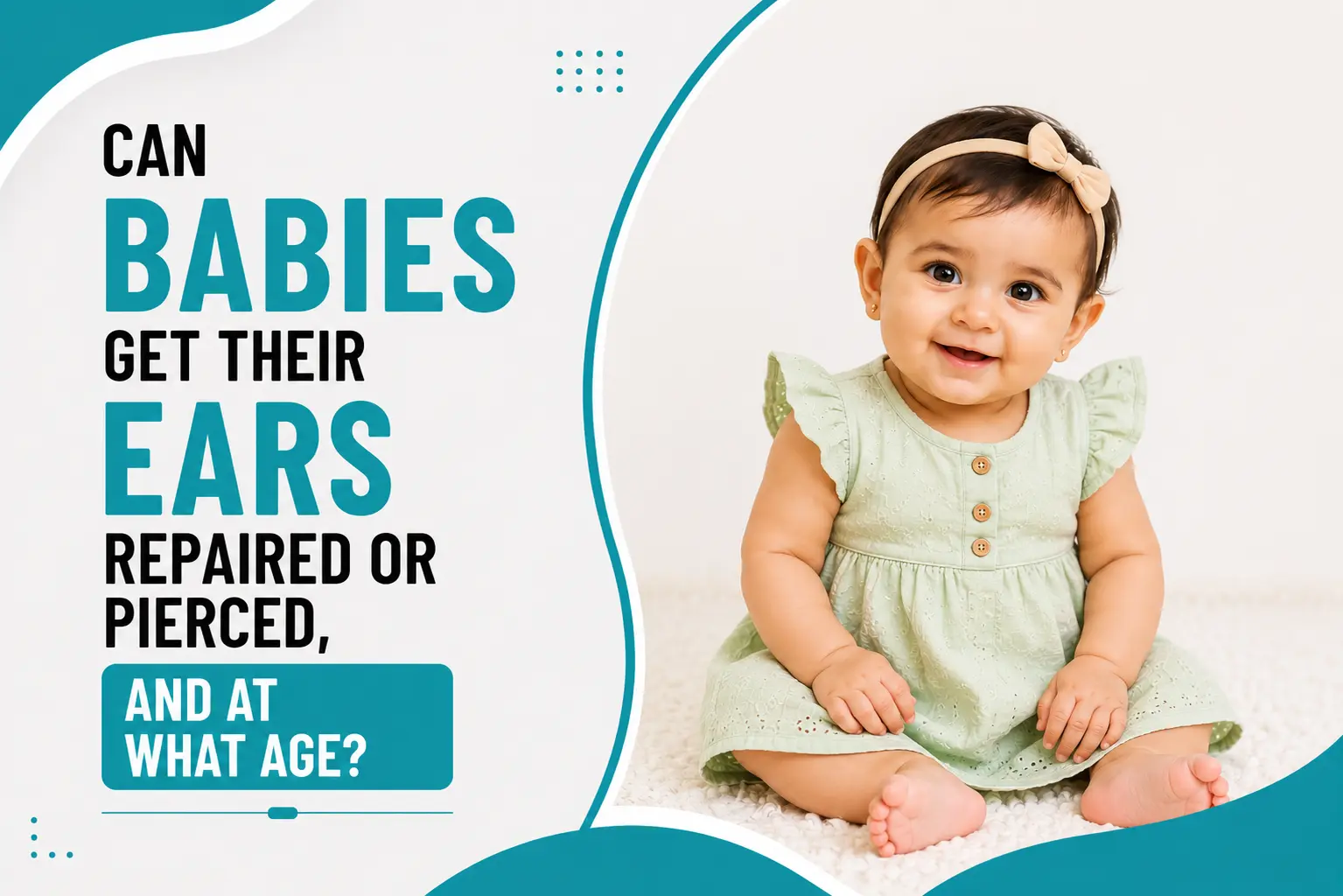
Yes. Babies can usually have their ears pierced from around 3 months of age, once they are healthy and growing well. Ear piercing creates a small, neat hole so your baby can wear earrings.
Earlobe repair is different. It fixes a torn, split, or stretched lobe, and this is generally not something babies need. It is offered for children from around 5 to 6 years of age, if required.
The right timing depends on your child’s age and health, not just a date on a calendar. A short consultation confirms readiness before anything is done.
Is Earlobe Repair Needed for Babies?
No, babies do not need earlobe repair. This treatment is meant for correcting a damaged or stretched lobe, not for a baby’s first piercing. It is generally carried out on children from around 5 to 6 years of age, if required, once an issue such as a torn or stretched piercing has developed.
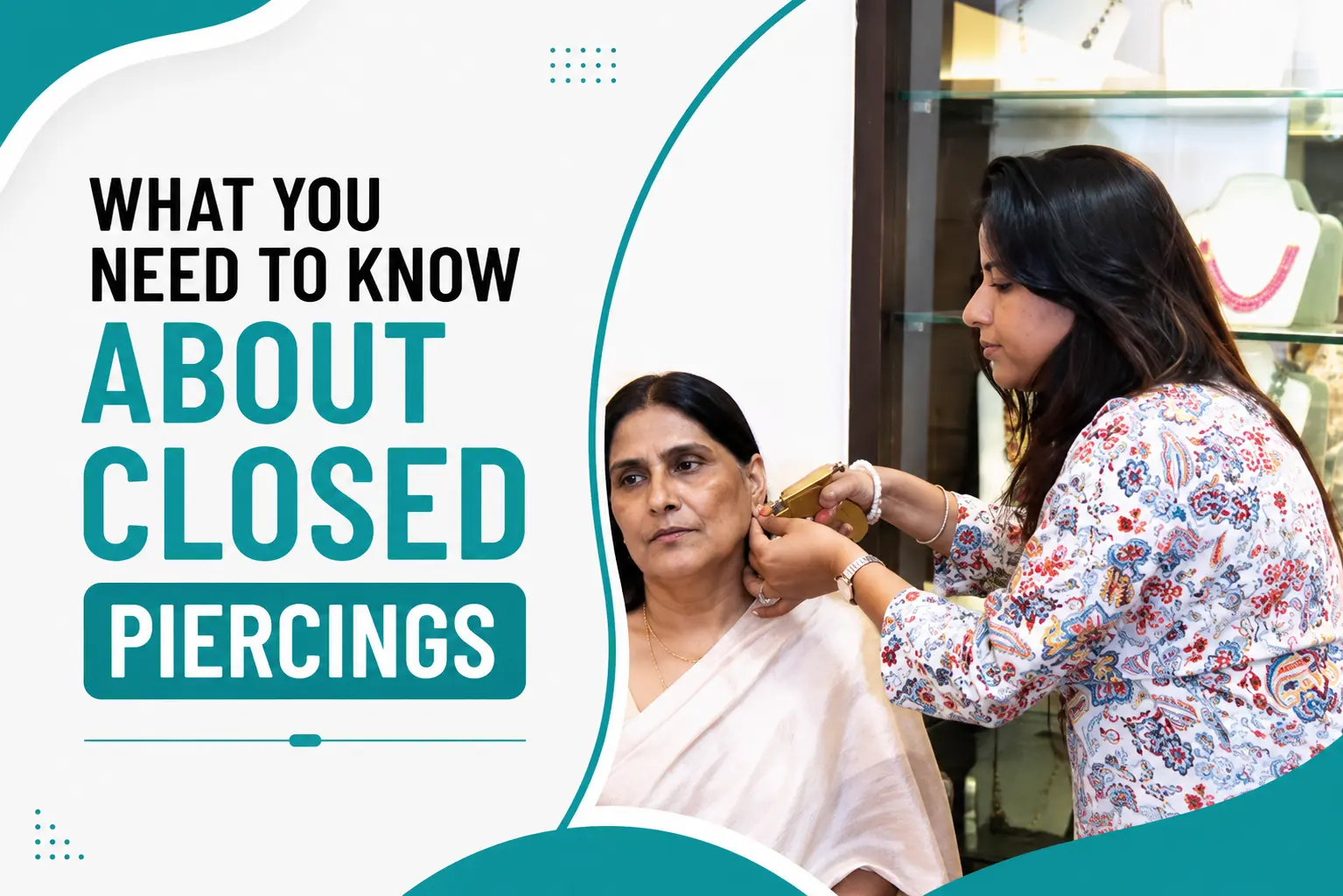
Earlobe repair is a minimally invasive procedure with no stitches, making it a gentle option when it is needed. We close the affected lobe and create a new piercing on the same day, so there’s no separate wait before a fresh piercing is in place.
A practitioner will always assess the earlobe first and confirm that repair is suitable for the child’s age and skin. This careful check protects both comfort and results.
Baby Ear Piercing and Earlobe Repair: A Simple Age Guide
Use this quick guide as a general map. Your practitioner’s advice for your individual child always comes first.
| Stage | What It Usually Means | Suitable For |
| Under 3 months | Ears still very small; skin very delicate | Usually wait |
| 3 months and above | Common minimum age for first ear piercing | Ear piercing |
| Around 5–6 years | Ears are larger, lobe is ready if repair is needed. | Earlobe repair, if required |
| Older children & teens | Can share in aftercare themselves | Both, if needed |
Why Some Parents Choose to Wait Before Piercing
Not every family pierces at 3 months, and that is perfectly fine. Some parents prefer to wait so the choice can be shared with the child later on.
Others wait until after early vaccinations or until a routine check-up confirms their baby is thriving. These are personal decisions, and none of them is wrong.
The key is to choose a safe, clean setting and a trained professional whenever you do decide to go ahead. Timing is flexible; safety is not.
How to Prepare Your Child for Ear Piercing or Earlobe Repair
A little preparation makes the appointment calmer for you and your child. These simple steps help everything go smoothly:
• Book a time when your child is usually fed or rested, and content.
• Bring a comforter, favourite toy, or feed to soothe them straight after.
• Choose a reputable clinic that follows strict hygiene standards.
• Ask about the earrings used and pick hypoallergenic options if possible.
• Share any allergies or health concerns during your consultation.
Feeling prepared helps you stay relaxed, and children often pick up on a calm, confident parent. A short cuddle afterwards usually settles any upset quickly.
Aftercare Tips for Baby Ear Piercing and Earlobe Repair
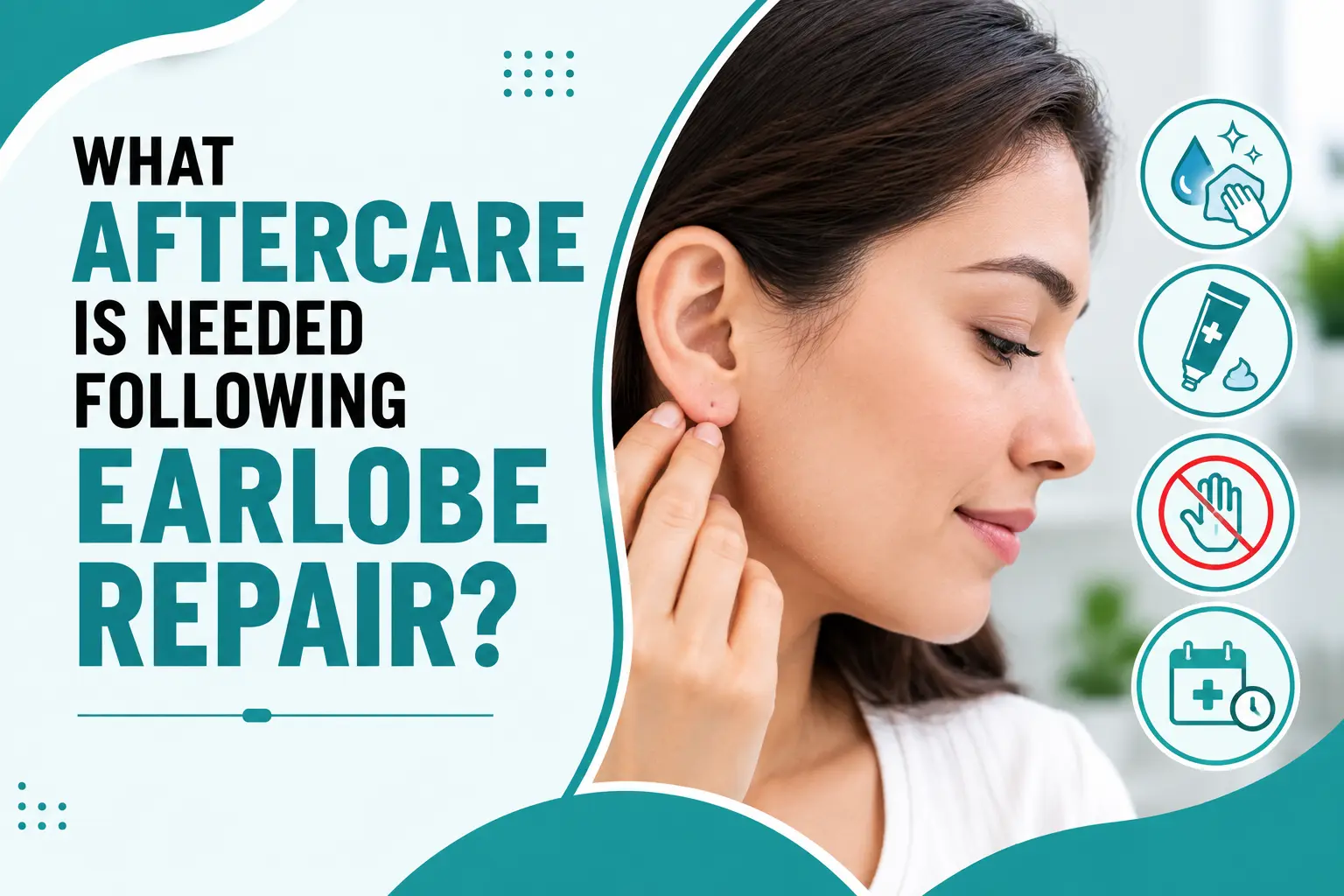
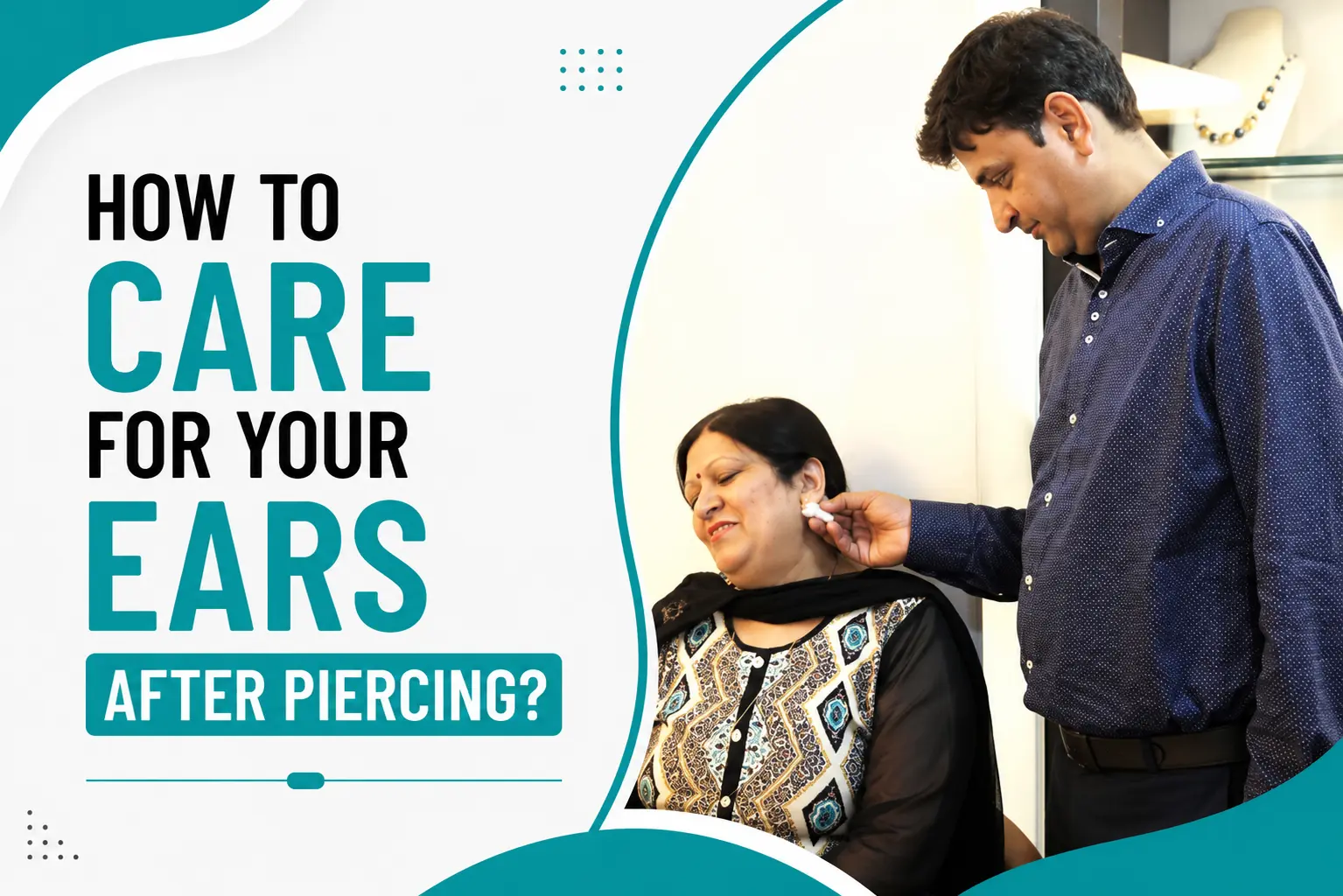
A surgical stud is fitted after the procedure and needs to stay in place while the area heals. Good aftercare keeps the area healthy and lowers the risk of infection.
• Keep the earlobes clean and dry, especially in the first few weeks.
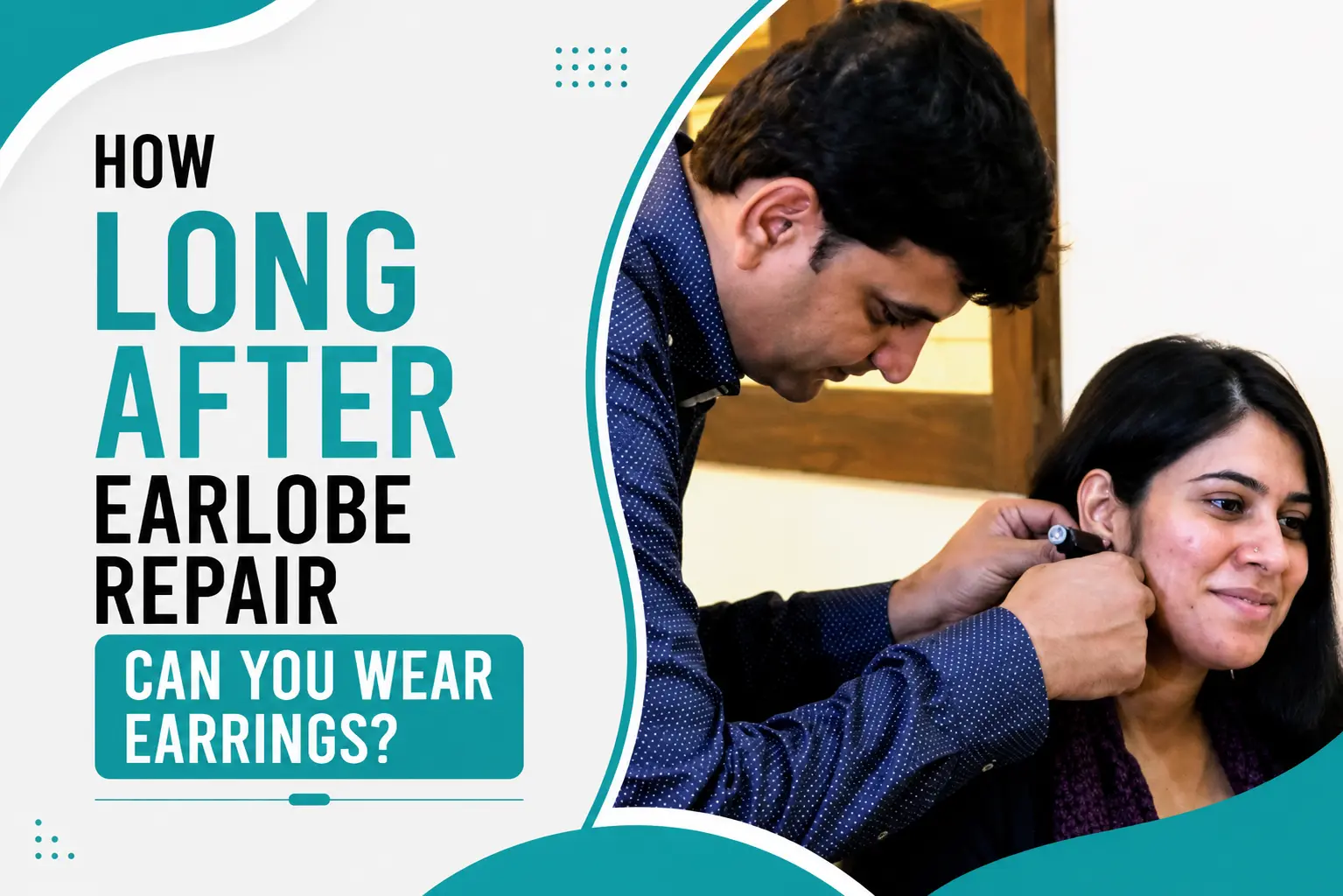
• Leave the surgical stud in for 6 to 8 weeks; do not change it early.
• After 6 to 8 weeks, the surgical stud can be removed and replaced with regular earrings.
• Wash your hands before touching your child’s ears or earrings.
• Avoid heavy or dangling earrings that could catch and pull the lobe.
Gentle, consistent care is the secret to smooth healing. Small daily habits protect your child’s ears far better than any quick fix.
Signs to Watch and When to See a Professional
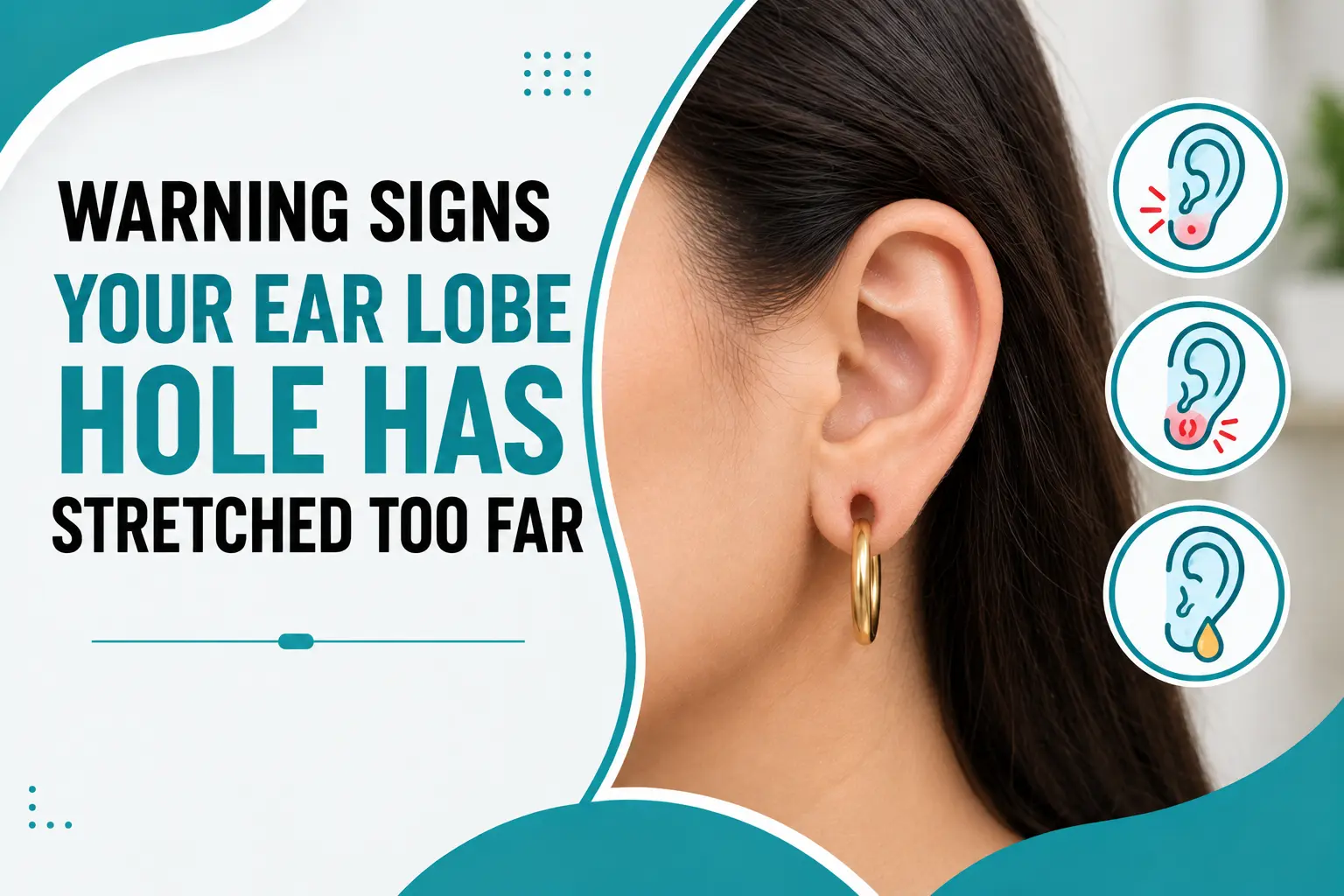
• Redness, swelling, or warmth that gets worse rather than better.
• Yellow or green discharge, or a bad smell around the piercing.
• Your child seems in ongoing discomfort or the lobe feels hot.
• The stud back becomes tight or the lobe starts to swell around it.
What to Expect During the Appointment
Knowing what happens on the day helps you feel calm and in control. A good clinic keeps the process quick, gentle, and reassuring for both you and your child.
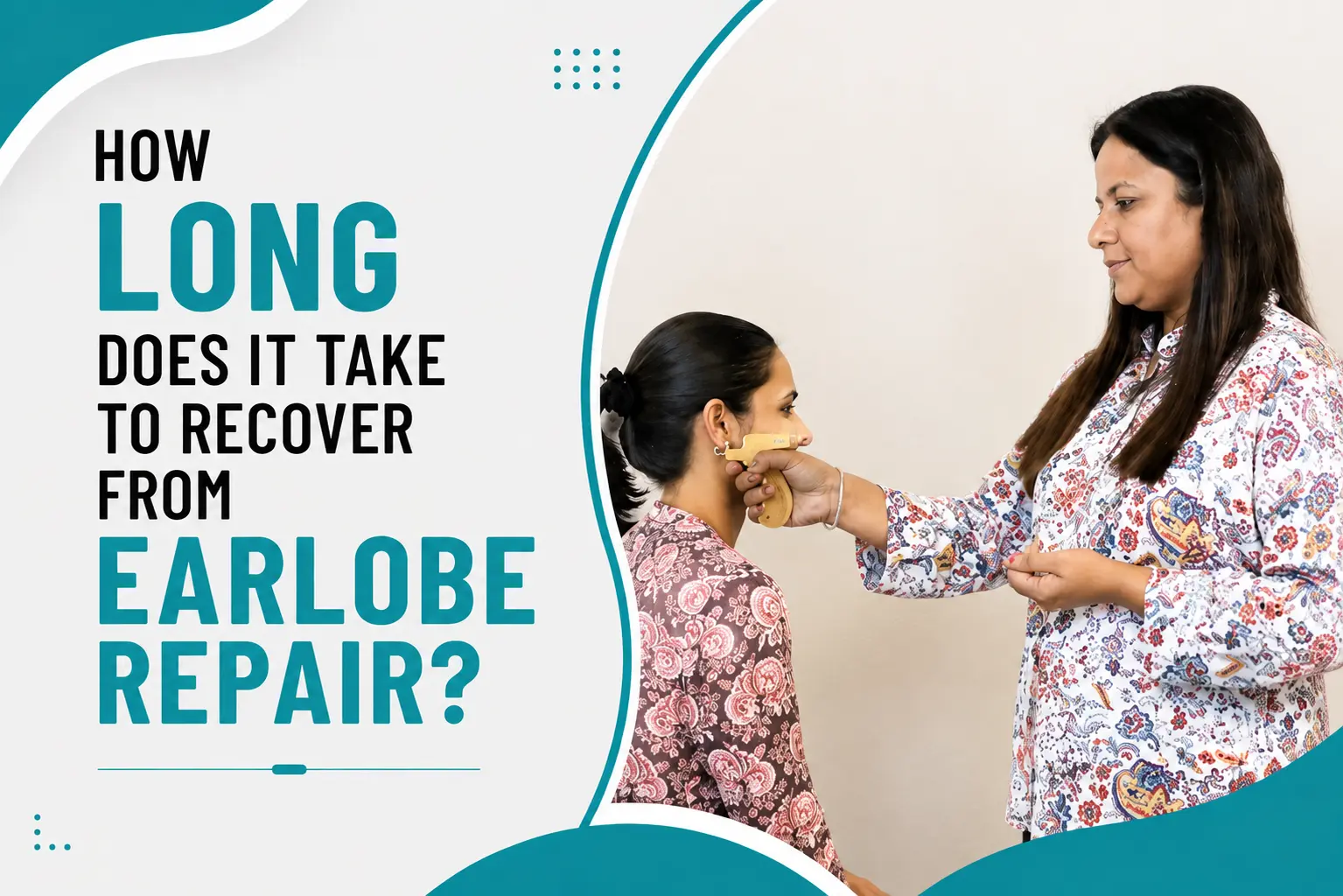
First, the practitioner checks the earlobes and confirms they are suitable for piercing or repair. They then clean the area carefully and mark the exact spot so the placement is even and accurate.
The piercing or repair itself is done swiftly to keep your child comfortable, and a surgical stud is fitted straight away. You can hold and soothe your little one throughout, and most children settle within a few minutes of a cuddle or feed.
Before you leave, you will be shown exactly how to care for the ears at home, including when the surgical stud can eventually come out. Clear aftercare advice means you walk out feeling confident about the days ahead.
Frequently Asked Questions
1. At what age can babies get their ears pierced?
Babies can usually get their ears pierced from around 3 months and above, once they are healthy and growing well. Some parents choose to wait longer, and a consultation helps confirm the right timing.
2. Is earlobe repair needed for babies?
No. Babies do not need earlobe repair, as this treatment is meant for correcting damaged or stretched lobes rather than a first piercing. It is generally offered for children from around 5 to 6 years of age, if required, and is a minimally invasive procedure with no stitches. A practitioner checks the earlobe first to confirm it is suitable before going ahead.
Thinking About Ear Piercing or Earlobe Repair for Your Child?
Give your little one safe, gentle care from trained hands. Book a friendly consultation with Earhole Repair today, and we will guide you on the right age, the safest options, and simple aftercare. Book your consultation now.