
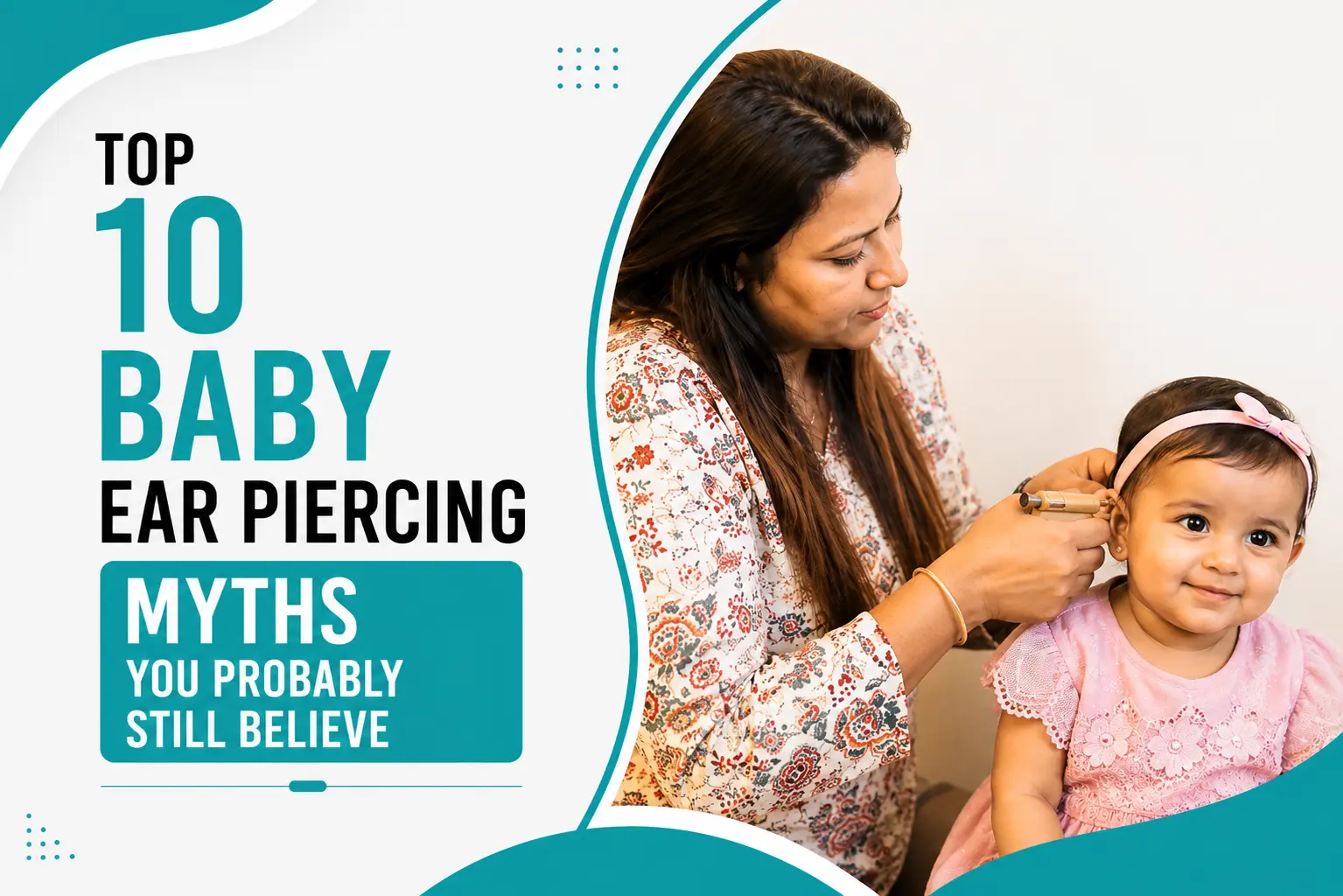
The topic of Top 10 Baby Ear Piercing Myths often sparks debate among parents, grandparents, and caregivers. From old family traditions to advice shared online, misinformation about baby ear piercing can make it difficult to separate fact from fiction.
The reality is that ear piercing can be a safe and positive experience when performed by experienced professionals using hygienic techniques and proper aftercare. This guide debunks common myths and provides practical information to help parents make informed decisions.
Why Understanding Baby Ear Piercing Facts Matters
Parents naturally want the best for their children. Learning the truth behind common misconceptions helps families choose appropriate care and avoid unnecessary worry.
A safe ear piercing experience depends on factors such as hygiene, professional technique, suitable jewelry, and following aftercare instructions.
Myth 1: Babies Should Never Have Their Ears Pierced
There is no universal rule that prohibits ear piercing during infancy.
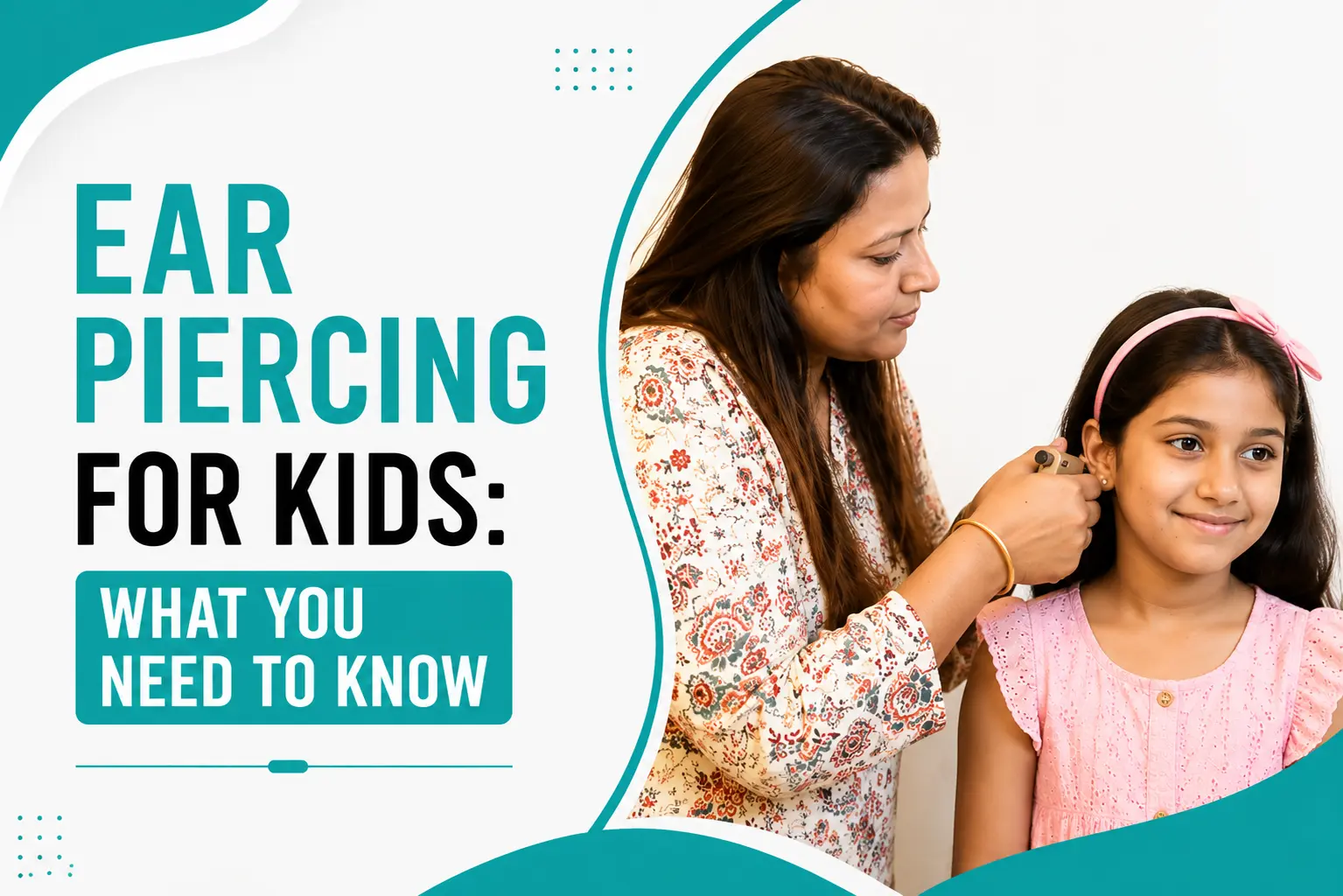
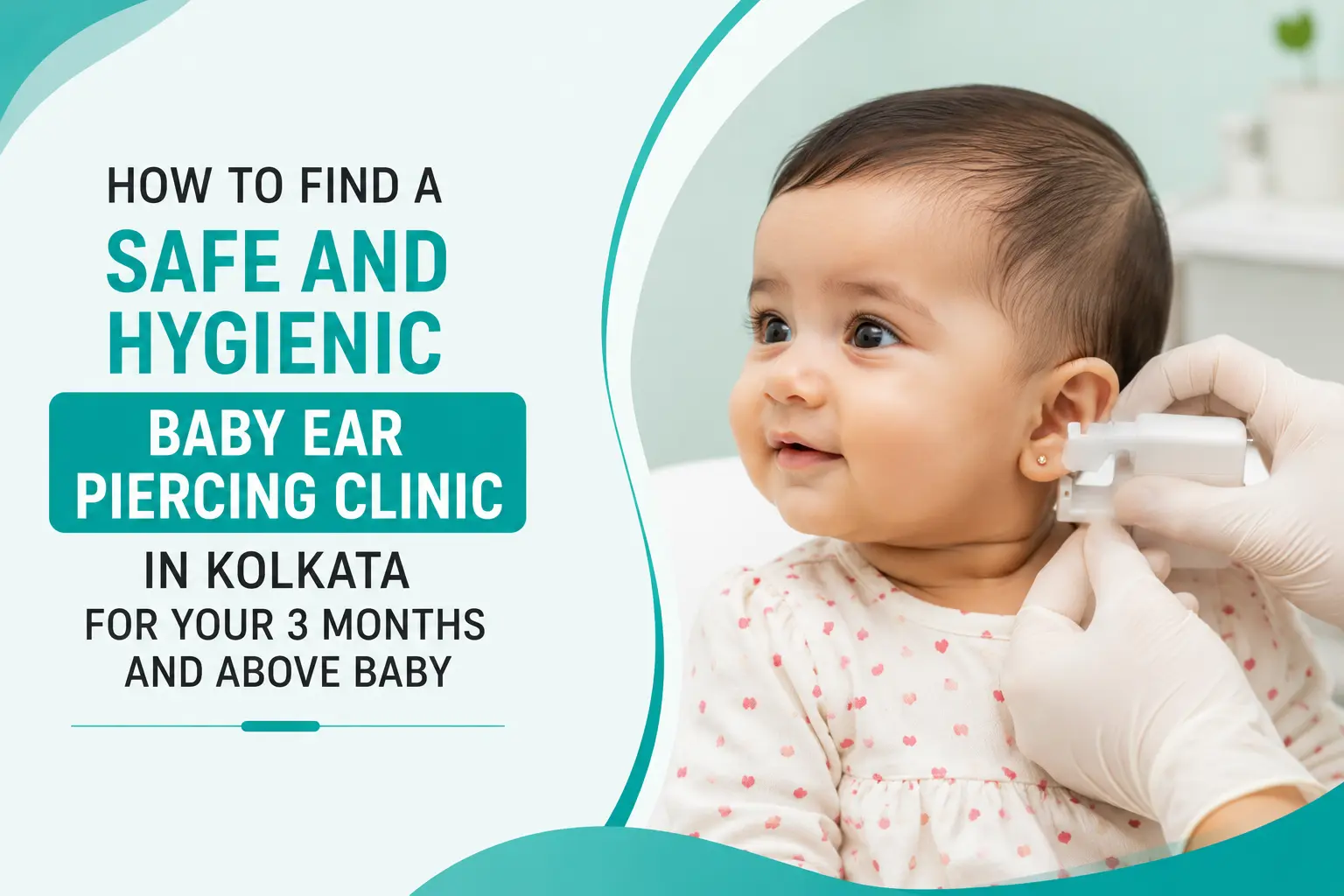
Many providers perform ear piercing for babies 3 months of age and older, provided appropriate evaluation is completed and parents understand the recommended aftercare process.
The decision often depends on family preferences, cultural traditions, and guidance from qualified professionals.
Myth 2: Ear Piercing Is Always Extremely Painful
While babies may briefly react during the procedure, discomfort is generally short-lived.
Modern techniques are designed to be minimally invasive, making the experience quick and efficient for many families.
Myth 3: You Should Remove Earrings Frequently During Healing
This is one of the most common misunderstandings.
For proper healing, the initial earrings should typically remain in place for 6 to 8 weeks before being changed gradually, depending on professional recommendations and healing progress.
Removing earrings too early may increase the chance of the piercing narrowing or closing.
Myth 4: Any Jewelry Is Fine for New Piercings
Jewelry quality matters significantly.
Starter earrings made from suitable materials such as surgical-grade stainless steel, titanium, platinum, or high-quality gold may help reduce irritation and support healthy healing.
Choosing appropriate earrings is just as important as choosing the provider.
Myth 5: Hygiene Doesn’t Matter if the Piercing Is Quick
The speed of the procedure does not replace proper hygiene.
Parents should look for providers who maintain:
- Sterile equipment
- Clean treatment areas
- Professional handling
- Detailed aftercare guidance
Families seeking hygienic ear piercing Mumbai services should prioritize cleanliness and expertise when selecting a clinic.
Myth 6: Touching Earrings Helps Them Heal Faster
Some people believe rotating or frequently touching earrings improves healing.
In reality, unnecessary handling may irritate the piercing and introduce bacteria. It is generally better to leave the earrings undisturbed except when following recommended cleaning instructions.
Myth 7: Closed Ear Holes Can Always Be Reopened at Home
If an ear hole for earrings closes, forcing jewelry through the tissue is not advisable.
Professional evaluation is often the safest option, particularly if the opening has significantly narrowed or completely closed.
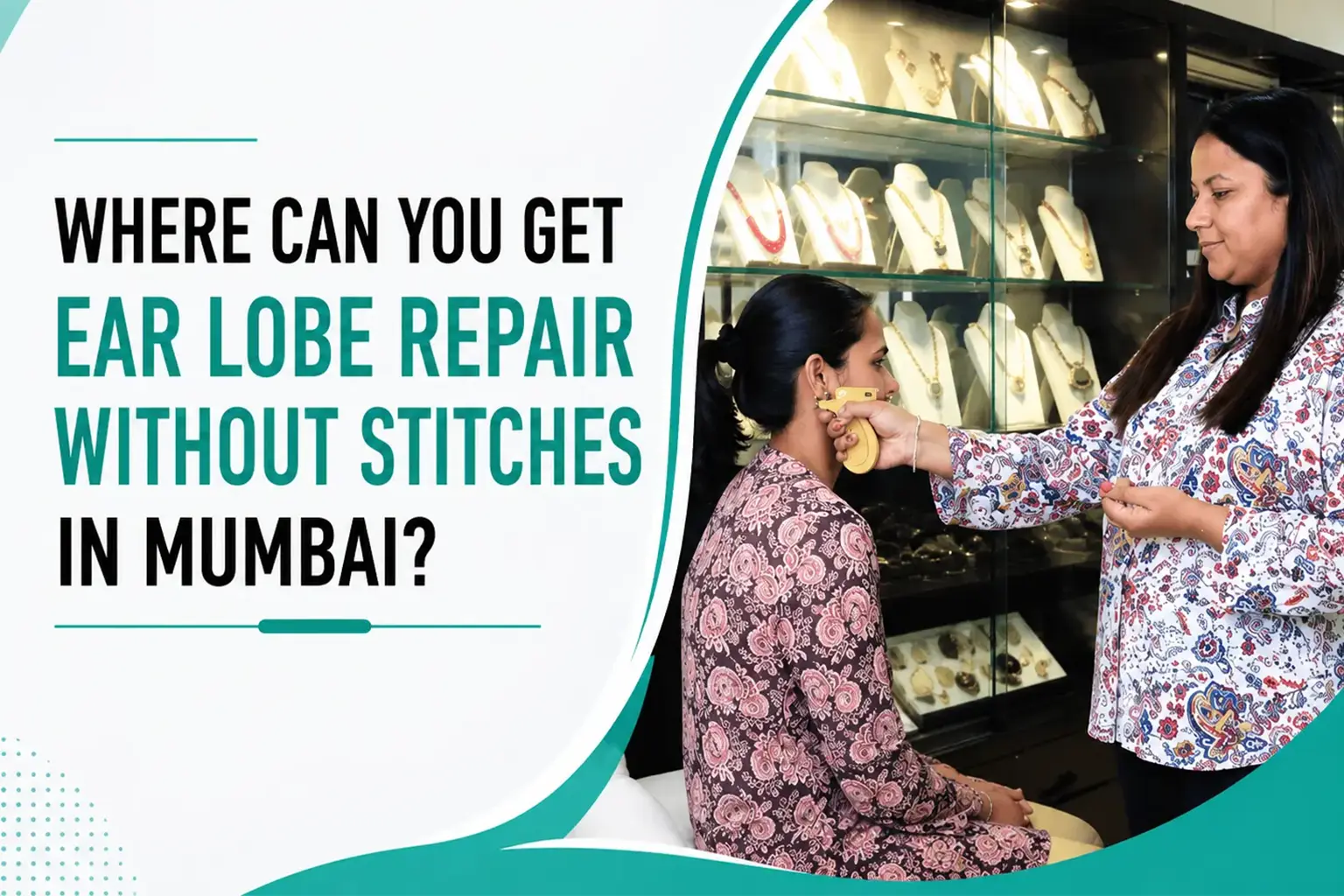
Individuals searching for an ear hole for earrings in Mumbai frequently seek guidance after discovering that old piercings no longer accommodate earrings comfortably.
Myth 8: Baby Ear Piercing Requires Complex Recovery
Most babies resume normal activities quickly following ear piercing.
Simple aftercare measures such as maintaining cleanliness, avoiding unnecessary touching, and monitoring healing usually support a smooth recovery.
Parents should continue observing the ears and seek professional advice if unusual symptoms develop.
Myth 9: Every Ear Piercing Leaves Permanent Problems
When performed properly and cared for correctly, many ear piercings heal successfully without long-term issues.
However, stretching, accidental tearing, or prolonged use of heavy earrings later in life may alter the appearance of the earlobes.
People experiencing these concerns sometimes explore options such as:
- Earring hole repair in Mumbai
- Ear hole repair Delhi
- Ear hole repair Kolkata
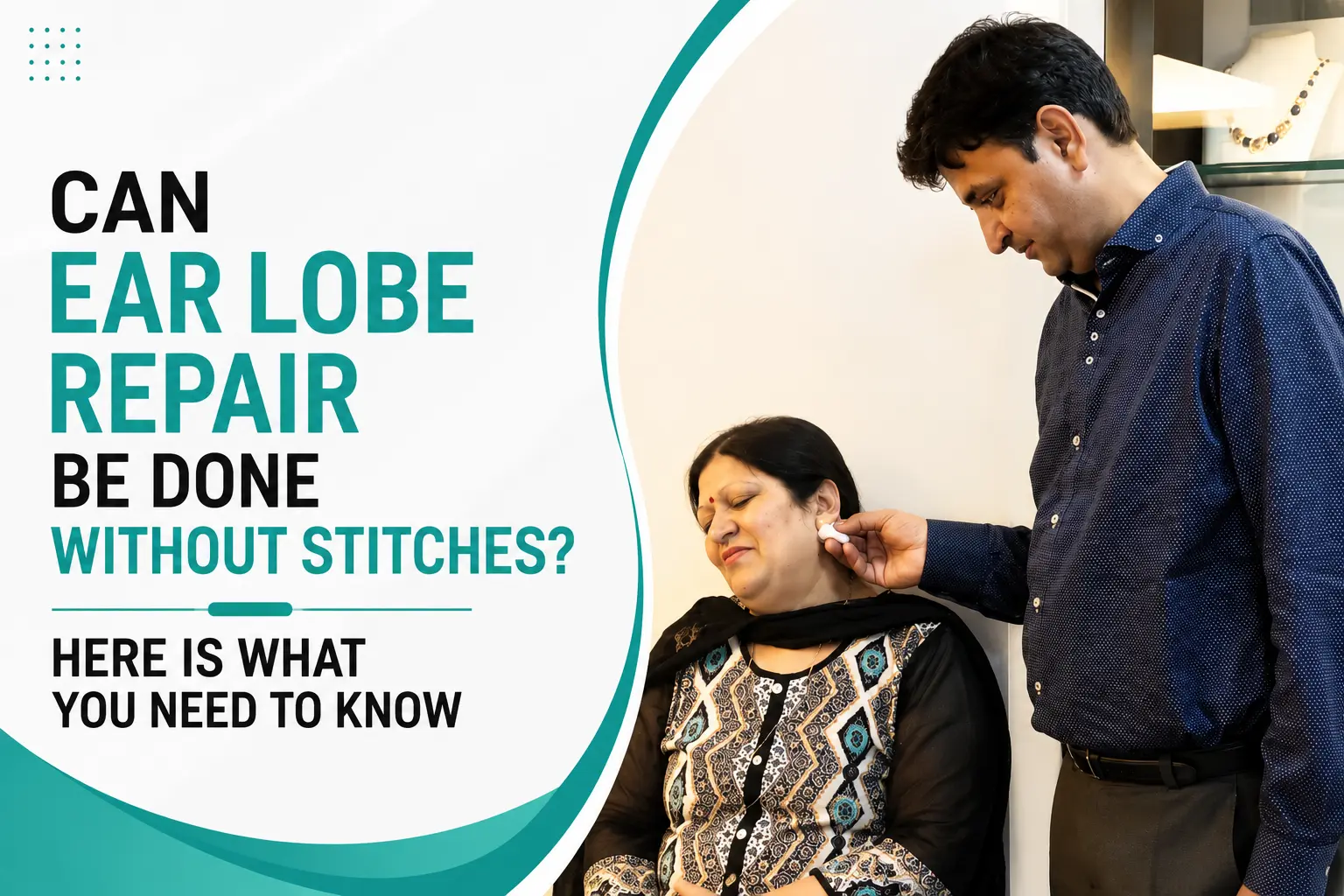
Depending on individual assessment, certain corrective approaches may be minimally invasive and not require stitches.
Myth 10: All Babies Heal the Same Way
Every child heals differently.
Factors influencing healing include:
- Skin characteristics
- Overall health
- Jewelry quality
- Hygiene practices
- Consistency of aftercare
Parents should follow personalized guidance rather than comparing their child’s experience with others.
How to Support Healthy Healing After Baby Ear Piercing
Good aftercare includes:
- Washing hands before touching earrings
- Following the cleaning instructions carefully
- Keeping the area clean and dry
- Avoiding unnecessary manipulation
- Monitoring for unexpected changes
These habits help create favorable conditions for healing.
Choosing the Right Ear Piercing Provider
Selecting an experienced provider is one of the most important decisions parents make.
Look for clinics that emphasize:
- Hygiene
- Professional consultation
- Appropriate jewelry selection
- Clear aftercare education
- Precise placement
A thoughtful approach often contributes to a better overall experience.
Understanding Future Ear Health
As children grow older, they may continue wearing earrings for many years.
Maintaining healthy ears involves:
- Wearing quality jewelry
- Avoiding excessive pulling
- Cleaning earrings regularly
- Replacing damaged backs
- Seeking evaluation if changes occur
These simple habits may reduce the likelihood of future stretching or injury.
Can Ear Holes Close Over Time?
Yes. Piercing channels may gradually narrow if earrings remain out for extended periods.
For this reason, many practitioners recommend consistent jewelry wear after complete healing if maintaining the opening is important.
Separating Tradition from Evidence
Many baby ear piercing beliefs have been passed down through generations.
While traditions deserve respect, decisions should also be informed by current knowledge about hygiene, healing, appropriate aftercare, and individualized professional assessment.
Parents who combine cultural values with evidence-based care often feel more confident in their choices.
Frequently Asked Questions
1. At what age can babies have their ears pierced?
Many providers perform ear piercing for babies aged 3 months and older, provided appropriate evaluation and parental guidance are completed beforehand.
2. How long should babies wear their first earrings?
Initial earrings are commonly recommended to remain in place for 6 to 8 weeks, after which they may be changed gradually if healing is progressing appropriately.
3. What should I do if my baby’s ear piercing seems to be closing?
Avoid forcing earrings through the opening. Seek professional evaluation to determine whether reinsertion or another approach is appropriate based on the condition of the piercing.
Conclusion
Understanding the Top 10 Baby Ear Piercing Myths helps parents make informed decisions based on facts rather than misconceptions. Safe ear piercing involves more than the procedure itself—it requires proper hygiene, quality jewelry, appropriate aftercare, and realistic expectations throughout the healing process.
Thinking about baby ear piercing or need guidance on ear hole restoration? Contact Earhole Repair for a personalized consultation. Our team focuses on hygienic practices, minimally invasive techniques, and individualized care to help families achieve safe, comfortable, and confident outcomes.