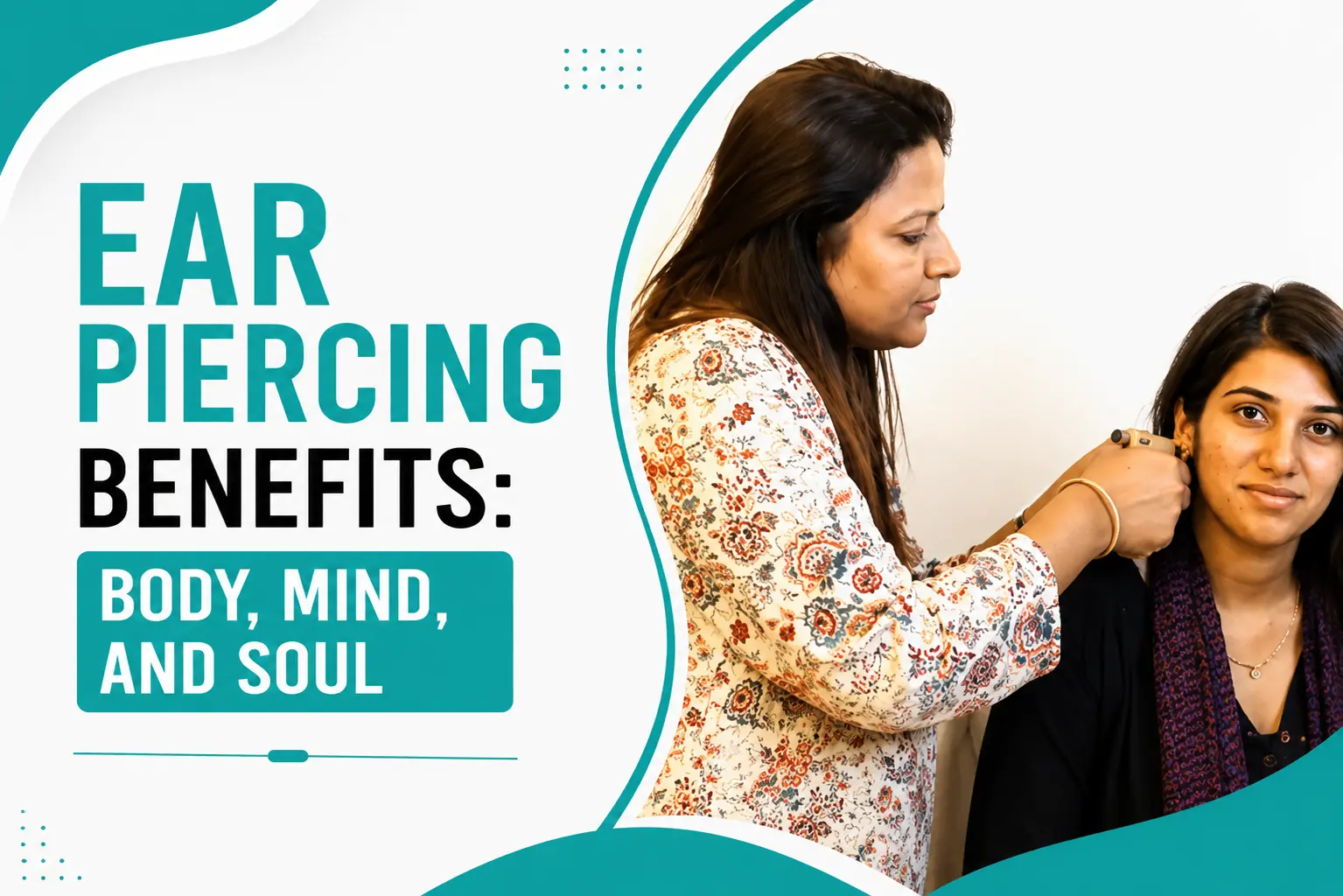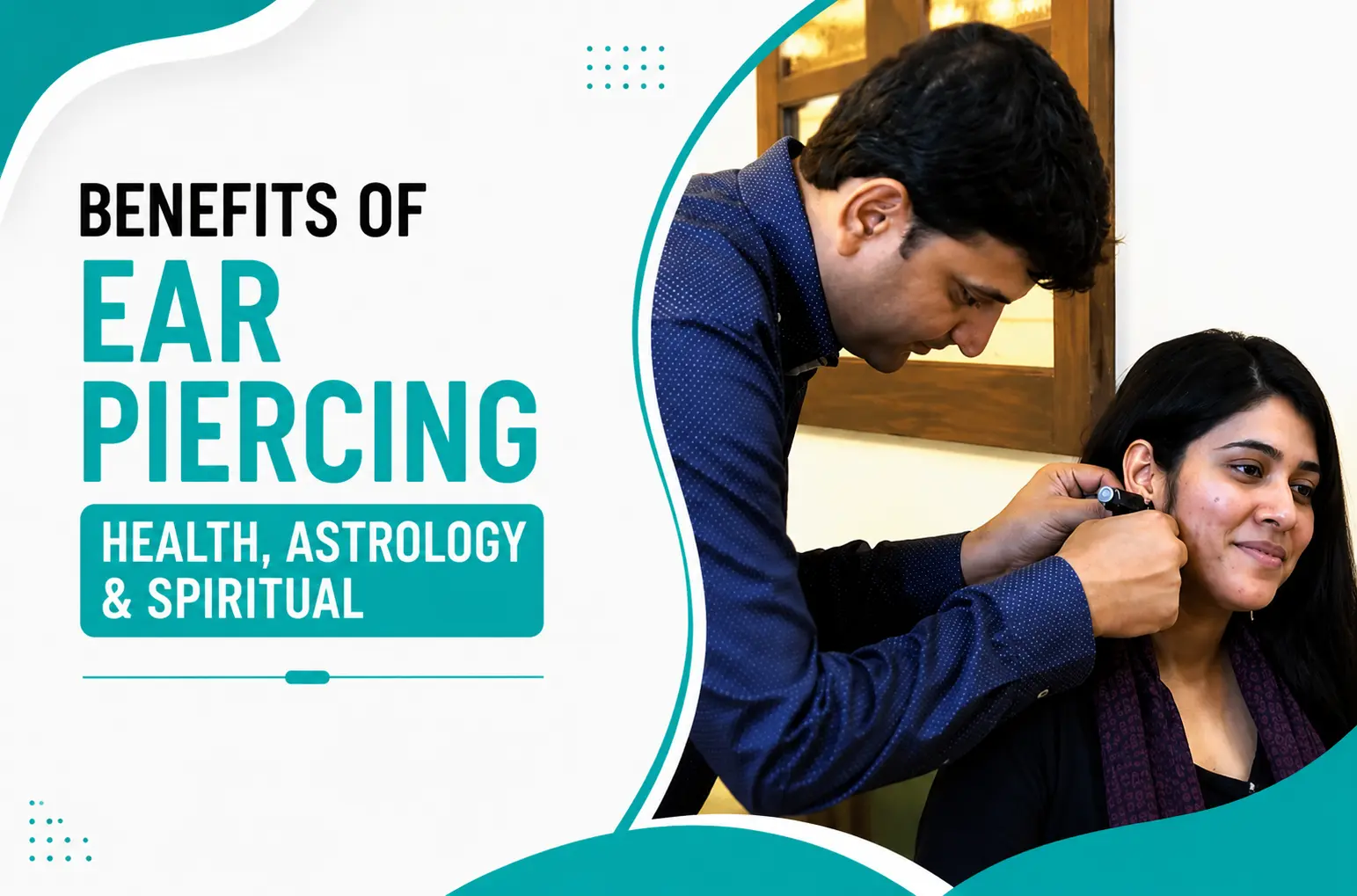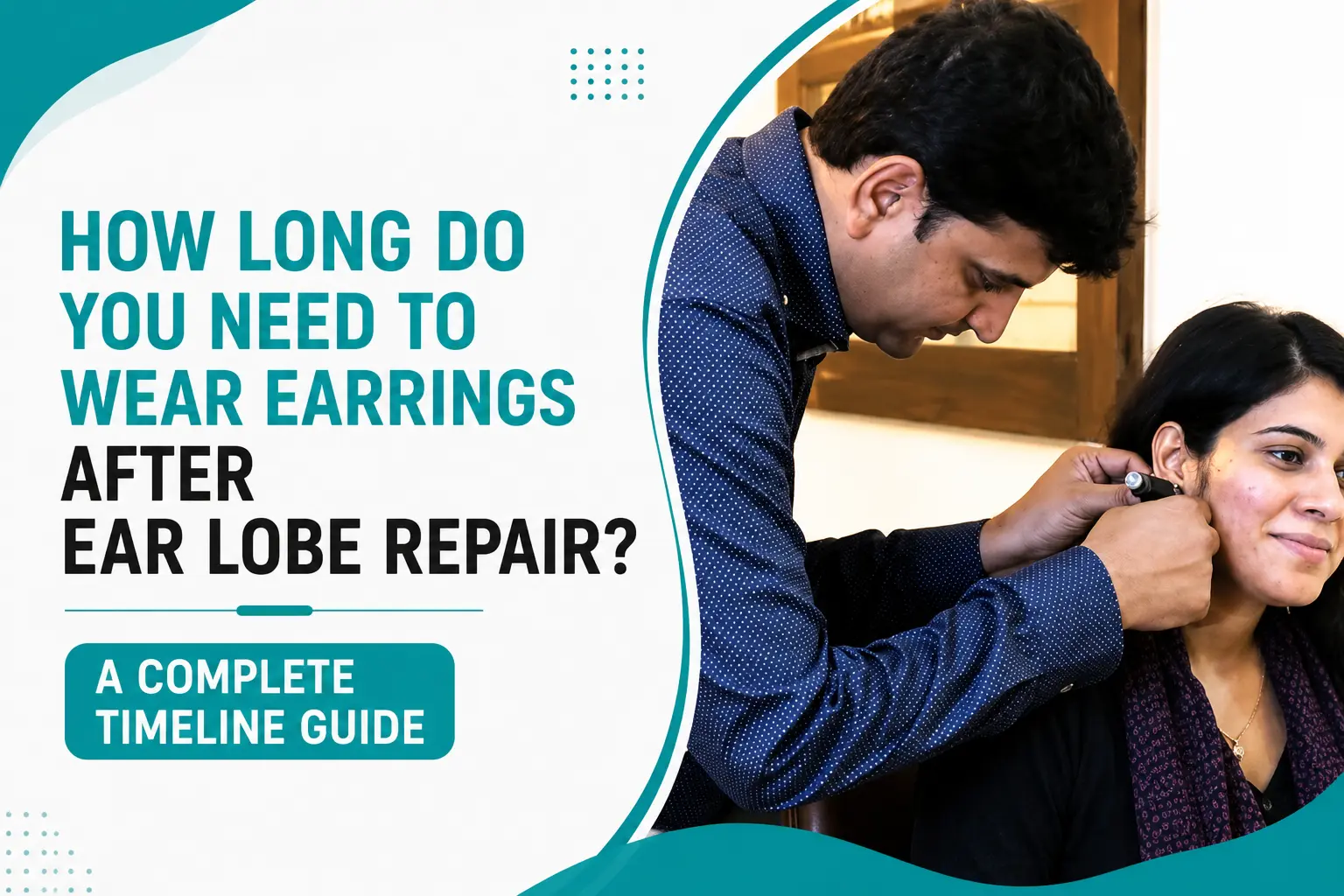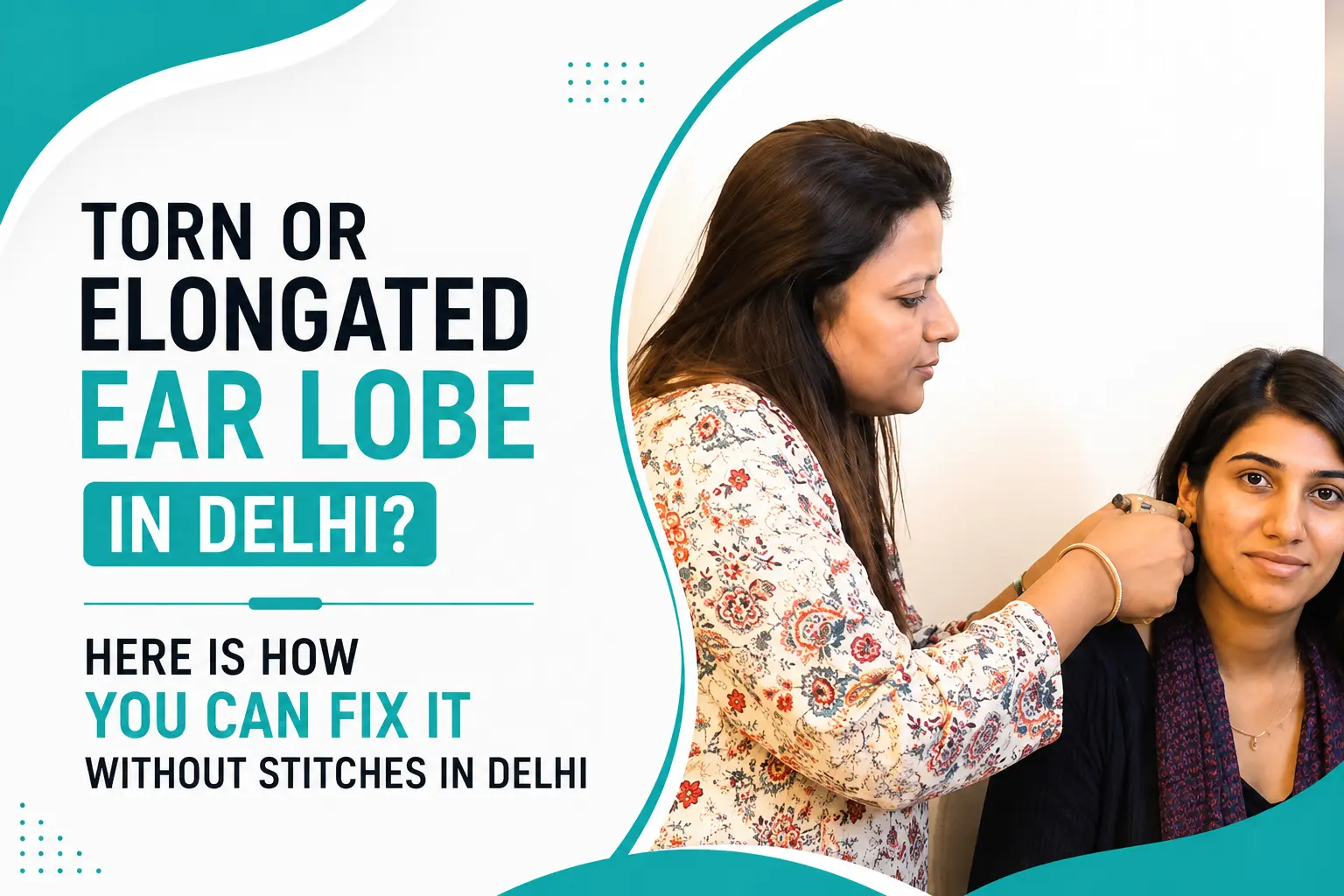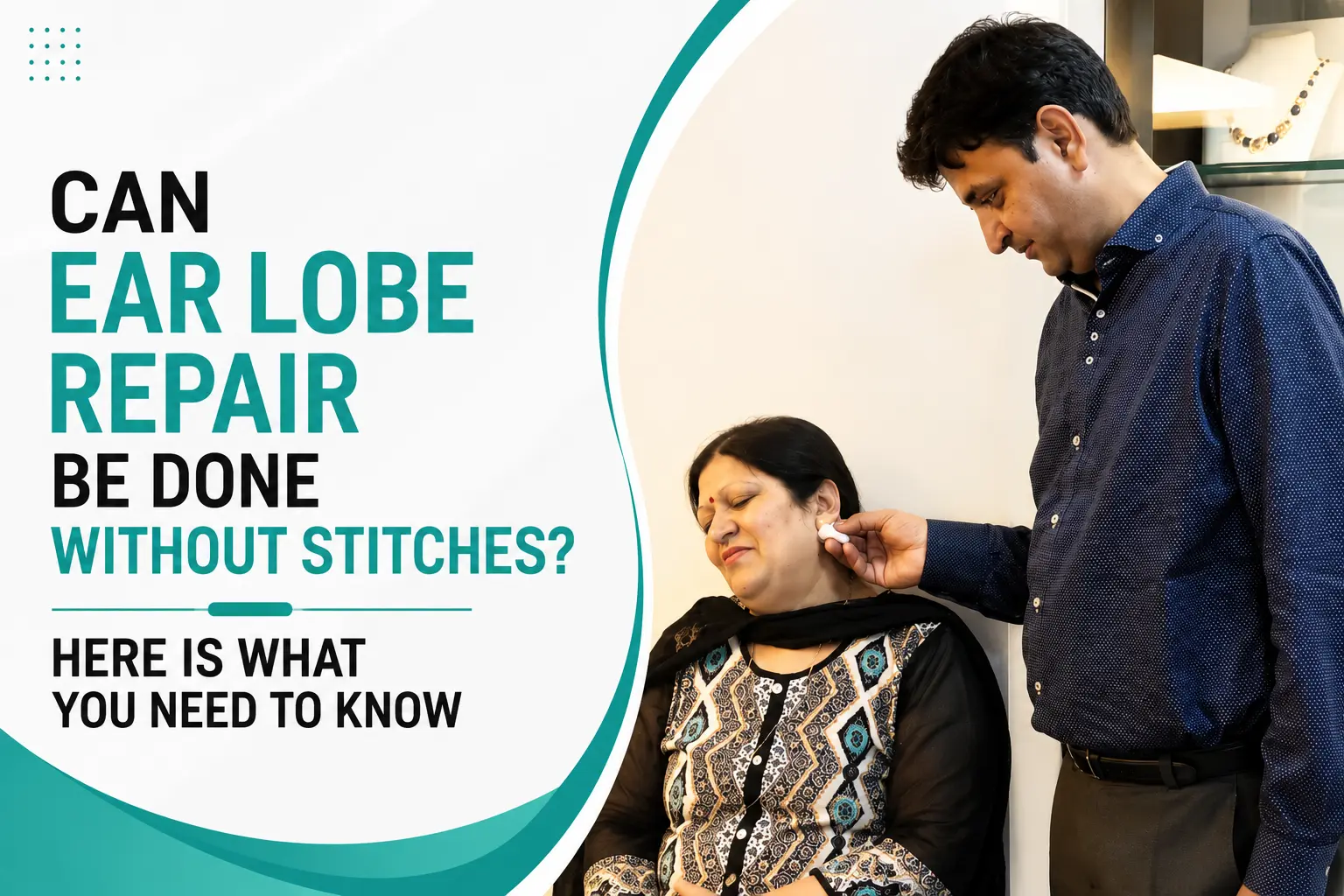


If you are thinking about fixing a split, torn, or stretched lobe, you may be wondering what an earlobe repair consultation actually involves. The short answer is a calm, unhurried visit where a specialist checks your lobe, listens to your concerns, explains the process, and plans your repair. This guide walks you through every step, from the moment you arrive to the aftercare you take home, so you know exactly what to expect.
Why an Ear Lobe Repair Consultation Comes First
A consultation is the foundation of a safe, natural-looking result. It is where your specialist learns about your lobe, your goals, and your earring habits before anything is done.
It also gives you a chance to ask questions and feel comfortable. Many people feel nervous before their first visit, and a clear explanation of each step removes most of that worry.
Every lobe is different. A clean split from a sudden tug needs a different plan from a hole that has stretched slowly over many years. The consultation is how your plan becomes personal to you.
Step 1: Your Welcome and a Quick Conversation
The visit usually begins with a friendly chat. Your specialist will ask what happened to your lobe and how long the problem has been there.
You may be asked simple questions such as:
- Was it a sudden tear or a gradual stretch?
- Which ear is affected, or are both?
- What type of earrings do you normally wear?
- Do you have any skin sensitivities or allergies to jewellery?
- Do you have a big event or travel plan coming up?
There are no wrong answers. This conversation simply helps the specialist understand your situation.
Step 2: A Careful Check of Your Earlobe
Next, your specialist examines the lobe closely. They look at the size and shape of the hole, the thickness of the lobe, and the condition of the skin around it.
This check confirms whether repair is suitable for you. It also shows what kind of damage you have, which helps shape the plan.
Split earlobe repair Mumbai is usually for a lobe where an earring has pulled through and left a clean opening. Torn earlobe repair Mumbai is for larger, rougher, or older tears. Stretched earlobe repair Mumbai is for holes that have widened over time but have not fully split.
You do not need to work out which type you have. Your specialist will explain it to you in simple words.
Step 3: Talking Through Your Goals
Once the check is complete, you can share what you hope to achieve. Most people want a natural look and the freedom to wear earrings again.
This is a good moment to talk about:
- A new piercing can’t be done in the same spot again.
- How the repaired ear should match your other ear
- The styles of earrings you love and plan to wear
- Any timing needs, such as a wedding or festival
Your specialist will be honest about what is realistic and will guide you toward the best result for your lobe.
Step 4: Understanding the Procedure
A good consultation explains the procedure clearly before anything begins. This is often the part that surprises people the most.
An earlobe repair in Mumbai at Earhole is a minimally invasive procedure with no stitches required. The damaged lobe is closed carefully to restore its natural shape. Most people find it comfortable, with only mild tenderness in the first few days.
We close the lobe and make a new piercing on the same day, so you do not have to wait weeks to wear jewellery again. This is one of the most helpful parts of the process, and your specialist will walk you through how it works.
Step 5: Planning Your New Piercing
Placement matters. The new piercing is positioned carefully so it holds well and looks balanced next to your other ear.
Your specialist will usually place it away from the old damaged area, where the tissue is stronger. This improves how well the lobe supports an earring in the long run.
You will also have a chance to confirm the position before the procedure. This is your lobe, so your comfort and approval matter.
Step 6: Learning About the Surgical Stud
After the procedure, a surgical stud is fitted. This stud is mandatory, and your consultation is the right time to understand why.
The stud helps the new piercing settle while the deeper tissue rebuilds strength. It needs to stay in for 6 to 8 weeks, and it should not be changed early. After that, once the lobe has healed, you can switch to regular earrings gradually.
Knowing this in advance helps you plan. If you have an event soon, you will know to expect the stud on the day.
Step 7: Clear Aftercare Guidance
Before you leave, you will be shown how to care for your lobe at home. Good aftercare is what turns a well-done repair into a lasting result.
- Keep the area clean and dry, especially in the first two weeks
- Keep the surgical stud in for 6 to 8 weeks without changing it
- Avoid sleeping on the treated ear for the first 2 to 3 days
- Avoid pulling hair, scarves, or masks across the lobe
- After healing, switch to regular earrings slowly, starting with lightweight styles
The Ear Lobe Repair Consultation at a Glance
Use this table as a quick summary of the whole visit.
| Stage | What Happens | What You Gain |
| Welcome and chat | Your history and concerns are discussed | Your specialist understands your situation |
| Lobe check | Size, shape, and skin are examined | Confirmation that repair is suitable |
| Goal setting | You share your style and timing needs | A plan that fits your life |
| Procedure explained | Minimally invasive, no stitches required | Clear expectations and less worry |
| Placement planning | The new piercing position is agreed | A balanced, natural look |
| Stud and aftercare | The surgical stud and 6 to 8 week plan are explained | Confidence about healing |
How to Prepare for Your Visit
A little preparation helps you get the most from your appointment.
- Wear your usual earrings or bring a photo of them
- Make a note of when and how the damage happened
- Write down any questions you want to ask
- Mention any jewellery allergies or skin sensitivities
- Share any upcoming events so timing can be planned
Questions to Ask During Your Consultation
Do not hesitate to ask anything. A good clinic will welcome your questions.
- How long is the healing timeline, and when can I wear regular earrings?
- How long must the surgical stud stay in?
- What aftercare should I follow at home?
- Who do I contact if I have a concern?
- What hygiene practices does the clinic follow?
Why Choose a Minimum Invasive Ear Lobe Repair Approach
A minimum invasive ear lobe repair keeps the process gentle and the downtime short. There are no stitches to manage, and most people return to normal life almost straight away.
This approach also suits busy schedules. Your lobe is repaired and your new piercing is made on the same day, so you leave with jewellery in place and a clear plan for the weeks ahead.
Frequently Asked Questions
1. How long does an earlobe repair consultation take?
Most consultations are short and relaxed, usually around 15 to 20 minutes. This covers your history, the lobe check, the procedure explanation, and aftercare guidance.
2. Do I need to prepare anything before an ear lobe repair consultation?
Not much. It helps to bring a note of how the damage happened, any questions you have, and details of any jewellery allergies. If you have an event coming up, mention it so your timing can be planned.
3. What happens after the consultation if repair is suitable?
We close the lobe and make a new piercing on the same day, and a surgical stud is fitted straight away. The stud stays in for 6 to 8 weeks without being changed early. After that, you can switch to regular earrings gradually.
Final Thoughts and Next Steps
A good ear lobe repair consultation is calm, clear, and focused on you. From the first conversation to the final aftercare tips, every step is designed to help you feel informed and confident before your repair begins.
If a split, torn, or stretched lobe has been holding you back from wearing your favourite earrings, do not wait for it to get worse. Book a consultation with Earhole Repair today for a safe, hygienic, minimally invasive repair with no stitches required, a same-day new piercing, and clear aftercare guidance from start to finish.